Provincial Licensing Pathways Shaping Payment Options for Mobile Jackpot Access in Live Dealer Formats
Nils Jenkins · Sep 1, 2026
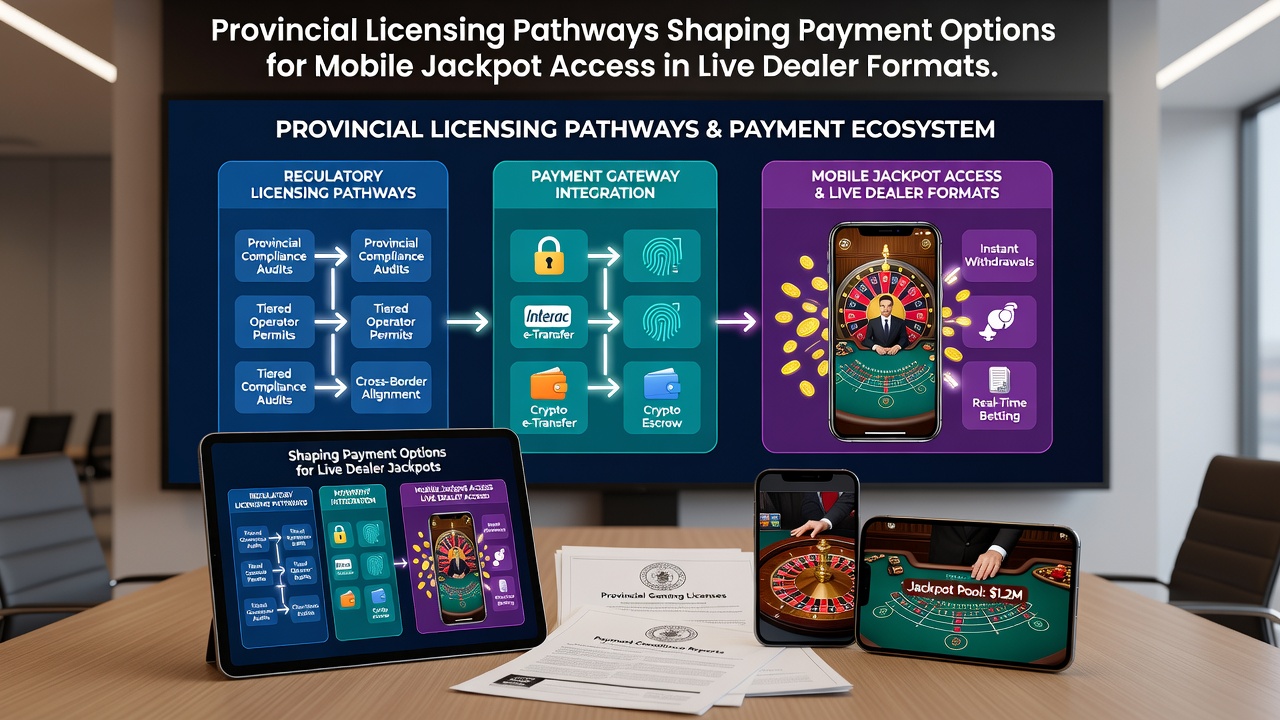
Provincial Licensing Pathways Shaping Payment Options for Mobile Jackpot Access in Live Dealer Formats
Provincial licensing structures across Canada continue to define how operators manage payment systems for mobile jackpot features in live dealer environments, with each jurisdiction maintaining distinct approval processes that directly affect transaction methods and player access points. Ontario's regulated market under the Alcohol and Gaming Commission of Ontario requires platforms to integrate approved financial providers, which shapes everything from deposit limits to withdrawal timelines for progressive jackpot pools. British Columbia and Quebec follow separate oversight models through their respective provincial bodies, creating variations in accepted payment rails that operators must navigate when offering live dealer games with mobile jackpot components.
Regulatory Differences Across Provinces
Ontario implemented its full iGaming framework several years ago, and this established a clear set of rules around payment processor vetting that other provinces observe but have not uniformly adopted. Researchers at Canadian institutions have tracked how these licensing pathways influence the availability of instant banking options versus traditional card methods, particularly when live dealer tables connect to shared jackpot systems. Data from industry reports indicates that provinces with newer regulatory entry points often restrict certain e-wallet integrations until operators complete additional compliance reviews, which delays rollout for mobile jackpot features.
Meanwhile provinces without dedicated online licensing maintain grey-area approaches that push operators toward offshore payment solutions, though these carry different risk profiles for jackpot settlements. Observers note that the patchwork creates distinct user experiences depending on a player's location, since payment confirmation speeds and verification steps vary by the licensing authority in charge.
Payment Integration and Mobile Jackpot Mechanics
Live dealer formats add another layer because real-time video streams require stable connections alongside seamless financial transactions, and provincial rules often dictate which processors can handle both elements simultaneously. Operators must ensure that jackpot contributions from live table wagers process through approved channels before mobile users can claim prizes, and this requirement has led some platforms to limit jackpot eligibility to specific payment types in certain provinces. Figures from gaming analytics firms reveal that Interac and certain prepaid methods dominate in regulated Ontario environments, whereas other regions see higher reliance on bank transfers due to fewer approved alternatives.
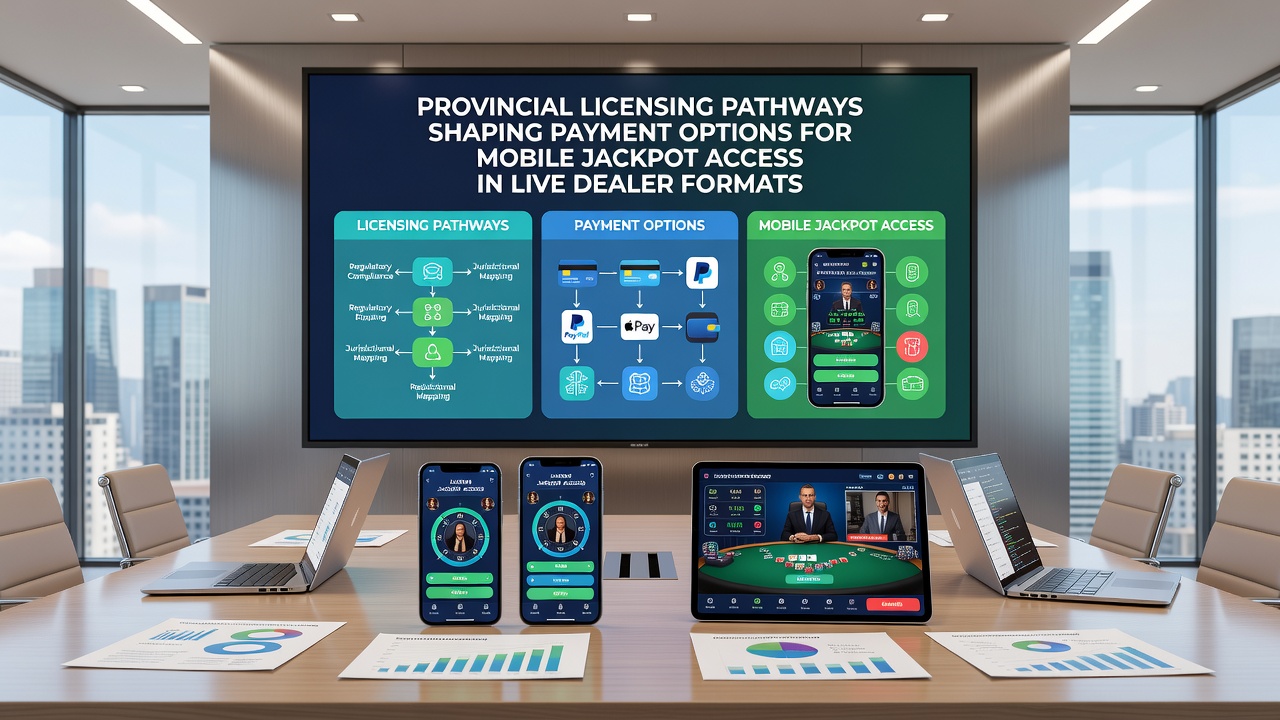
Those who've examined compliance documents know that September 2026 marks the scheduled review period for several provincial agreements on digital payment standards, and updates from that process could expand or restrict options for mobile jackpot access depending on the outcomes. Industry associations such as the Canadian Gaming Association have published position papers outlining how licensing alignment might streamline these systems across borders.
Impact on Operator Strategies and Player Access
Operators adjust their mobile offerings based on the strictest provincial requirements they encounter, which often means building modular payment gateways that activate different options depending on user location. This approach ensures compliance yet creates complexity when live dealer sessions span multiple jurisdictions through shared jackpot networks. According to reports from the Alcohol and Gaming Commission of Ontario, verification protocols tied to licensing directly correlate with reduced processing times for certain jackpot payouts, though the same rules can exclude faster international methods.
Academic studies on cross-border gambling regulation highlight how these provincial pathways also affect promotional bonuses linked to jackpots, since payment method restrictions influence eligibility tracking. People familiar with the sector observe that provinces moving toward unified standards tend to see quicker adoption of new mobile technologies, while slower-moving areas lag in live dealer jackpot variety.
Future Regulatory Developments
Upcoming consultations in multiple provinces are expected to address digital wallet expansion and cryptocurrency considerations for jackpot funding, though outcomes remain tied to each licensing body's timeline. Evidence from similar regulatory shifts in other Canadian sectors suggests that coordinated provincial efforts could reduce friction for operators while maintaining consumer protections around transaction security. Those monitoring the space point to September 2026 as a potential inflection point where new guidelines might emerge from ongoing reviews.
Conclusion
Provincial licensing pathways continue to determine the scope of payment options available for mobile jackpot participation in live dealer formats, producing a landscape where compliance requirements shape both operator capabilities and player experiences across Canada. The interplay between these frameworks and emerging payment technologies will likely define access patterns well into the next regulatory cycle.